
SANS 10400-L (Roofs) establishes strict criteria to ensure roofs are structurally sound and completely waterproof. On the KZN coastal belt, roof design must actively prevent water accumulation (ponding).
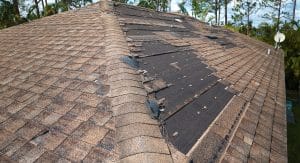

Hibiscus Coast Roofing and Waterproofing Structural Standards FAQ
What are the SANS 10400-L requirements for roof pitches and drainage on the Hibiscus Coast?
- Flat Roofs: Despite the name, flat concrete or boarded roofs must never be built completely level. Under SANS 10400-L, they must be designed with a minimum fall (slope) of 1:50 to ensure rapid runoff toward gutters or outlets.
- Pitched Roofs: The allowable minimum slope is entirely dependent on the specific roof covering used (e.g., concrete tiles, metal sheeting, or slate).
- Wind Resistance: Because Margate sits in a high-wind coastal zone, all roof trusses must be securely anchored to the wall structures using corrosion-resistant galvanized or stainless steel hurricane clips and truss ties to withstand coastal uplift forces.
What are the specific coastal waterproofing regulations for KZN buildings?
The coastal climate of KwaZulu-Natal demands specialized waterproofing systems capable of resisting extreme UV radiation, salt-air corrosion, and thermal expansion.
- Thermal Endurance: Waterproofing membranes used in Margate must be capable of enduring rapid temperature shifts from -10°C to +80°C without cracking, peeling, or deteriorating.
- Parapet & Cavity Walls: Under SANS 10400-K (Walls) and South African waterproofing standards, parapet walls must be fitted with an approved damp-proof course (DPC) and flashing to prevent rain from bypassing the roofing membrane and running down cavity walls.
- UV Stability: Any exposed liquid-applied or torch-on bituminous membranes must be coated with UV-resistant acrylic silvers or specialized coatings to prevent the intense subtropical sun from breaking down the chemical structure.
Why is NHBRC and roofing contractor compliance critical for South African properties?
In South Africa, any new home construction or structural alteration must comply with the National Home Builders Registration Council (NHBRC) guidelines and SANS 10400 regulations. Using a non-compliant roofing contractor carries severe consequences:
- Insurance Risks: Standard structural insurance policies frequently reject claims for roof collapses, severe leaks, or water damage if the underlying structure was not signed off by a competent person or failed to meet SANS 10400-L standards.
- Property Value: During property transfers along the Hibiscus Coast, structural compliance certificates are routinely scrutinized. Non-compliant roofing structures will stall property sales and require expensive remedial work before transfer.
- Margate Roofing Waterproofing & Construction ensures all installations conform strictly to SABS-approved materials and NHBRC technical standards.
What building maintenance standards apply to Margate roofs exposed to coastal environments?
The harsh coastal environment accelerates the degradation of structural timber, metallic roof sheeting, and waterproofing membranes. SANS 10400-L mandates that roofing materials must remain durable and maintain structural integrity.
- Corrosion Protection: Standard zinc-galvanized sheeting degrades rapidly within 5km of the Margate shoreline. Coastal standards dictate the use of high-durability aluminum, specialized pre-painted steel alloys (such as AZ150/AZ200 protective coatings), or non-corrosive concrete tiles.
- Timber Treatment: All structural roof timber must be treated against fungal rot and wood-boring insects, which thrive in high-humidity KZN environments.
- Routine Maintenance: Regular inspections of flashings, valley linings, and membrane seams are recommended bi-annually to clear salt residue, prevent organic growth (such as moss and algae), and patch minor UV wear before water ingress occurs.