When a roof sheet installation in margate fails prematurely in our region, the root cause is rarely the weather alone—it is almost always an installation that used inland standards for a maritime environment.
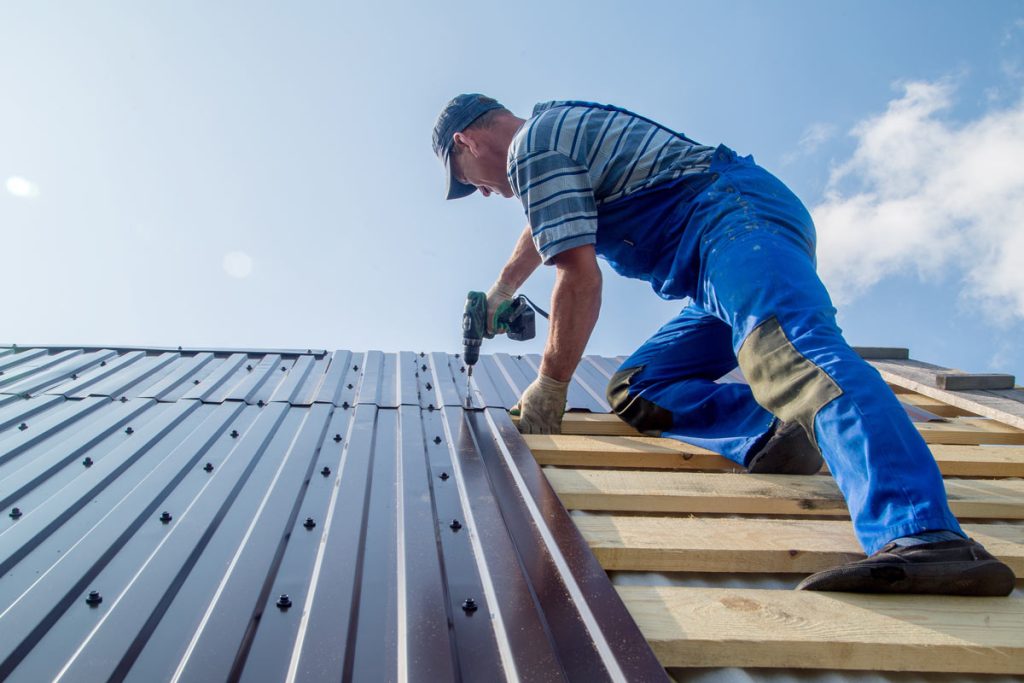
Roof Sheet Installation in Margate
Engineered Roof Sheet Installation in Margate: The Coastal Property Owner’s Guide
Installing or replacing a roof along the KwaZulu-Natal South Coast is an entirely different undertaking than doing so inland. In Margate, roofing systems endure a relentless combination of high humidity, corrosive sea salt spray, driving subtropical rain, and seasonal coastal winds.
Whether you are replacing an aging residential roof, fitting out a commercial building, or constructing an industrial warehouse, this guide covers the critical engineering standards and material choices required for lasting durability in Margate.
1. Why Standard Roof Installations Fail on the South Coast
The primary threat to coastal structures is atmospheric salinity combined with persistent moisture. Standard galvanised sheeting, while cost-effective inland, deteriorates rapidly within five kilometres of the ocean if the protective coating is inadequate.
Premature failures typically happen in three areas:
- Creep Corrosion at Cut Edges: Sheeting cut on-site with high-speed friction discs burns away the protective metallic coating, exposing raw steel to salt air and triggering rapid edge rust.
- Fastener Deterioration: Using standard zinc-plated screws instead of marine-grade coated fasteners causes galvanic reactions, rusting through the sheet around the screw hole and causing immediate leaks.
- Insufficient Pitch and Ponding: Low-slope roofs that lack adequate fall allow brackish moisture and organic debris to settle, accelerating localized corrosion.
A high-performance installation starts with matching the profile and coating specification directly to the distance from the high-water mark.
2. Choosing the Right Profile: IBR, Corrugated, or Concealed Fix
Every architectural design and structural framework requires a profile suited to its slope and wind load exposure.
Corrugated Sheeting
- Best suited for: Traditional residential homes, verandas, and classic coastal cottages.
- Key advantage: Symmetrical sinusoidal curves distribute wind loads evenly and shed water rapidly on standard and steep pitches.
IBR (Inverted Box Rib)
- Best suited for: Modern homes, light commercial buildings, and industrial facilities.
- Key advantage: Deep trapezoidal flutes provide higher water discharge capacity on lower roof pitches, alongside structural stiffness that allows for broader purlin spacing.
Concealed-Fix (Standing Seam / Klip-Lok Style)
- Best suited for: Low-pitch commercial roofs and high-exposure coastal developments.
- Key advantage: Because the sheets clip mechanically onto internal brackets without piercing the outer surface with exposed screws, puncture-point corrosion and washer degradation are completely eliminated.
3. The Non-Negotiable Coastal Specifications
If your contractor is not factoring in the following technical specifications, the lifespan of your roof will be cut in half:
High-Grade Metallic Coatings
For properties in Margate, standard thin zinc coatings are insufficient. You should insist on zinc-aluminium alloy coatings (such as AZ150 or AZ200 grade) or pre-painted marine-grade systems designed specifically to resist coastal UV exposure and salt-crust accumulation.
Class 4 Coastal Fasteners
Roofing fasteners must meet strict corrosion resistance standards. On the coast, only Class 3 or Class 4 coated fasteners with certified EPDM sealing washers should be used. Using the wrong screw nullifies the warranty of the roof sheet itself.
Clean Cold-Cutting Techniques
Roof sheets must be cut with cold shears, nibblers, or specialized reciprocating saws. Friction angle grinders spray hot metal shavings across the sheet surface, which immediately embed into the paint and create thousands of miniature rust spots across the entire roof surface.
4. Proper Substructure Preparation and Flashing
A durable roof sheet is only as stable as the structure beneath it. Before laying a single sheet, our installation protocol ensures:
- Timber or Steel Purlin Alignment: Checking for sag, rot, or distortion to eliminate oil-canning (buckling of the sheets) once fastened.
- Custom-Fabricated Flashing: Coastal wind drives rain upward under roof caps and eaves. Custom-bent ridge caps, barge boards, and sidewall flashings must be installed with closed-cell foam profile fillers to prevent driving spray from reaching the ceiling cavity.
- Underlayment and Thermal Barriers: Installing heavy-duty reflective foil underlays creates an indispensable vapor barrier against humid ocean air while dramatically improving internal indoor temperatures.
5. Residential, Commercial, and Industrial Execution
Margate Roofing Waterproofing & Construction handles full-scale roof sheet installations and replacements across all sectors:
- Residential Reroofing: Safely stripping old corrugated or asbestos-cement roofs and retrofitting engineered coastal sheeting with minimal disturbance to your household.
- Commercial Complexes: Executing roof replacements with disciplined scheduling to avoid disruption to retail or office tenants.
- Industrial Warehouses: Large-span sheeting installations, factory re-sheeting, and integrated translucent skylight panel replacements built for structural durability.
Protect Your Asset with Marine-Grade Roofing Standards
Cutting corners on coastal roof sheet installations invariably results in costly interior damage, premature re-sheeting, and disputed manufacturer warranties. Building it right the first time ensures decades of worry-free protection.
Looking to replace an existing roof or planning a new build in Margate or the wider South Coast?
Contact Margate Roofing Waterproofing & Construction today for a thorough on-site evaluation and an engineered quotation built specifically for coastal durability