
Understanding how to respond during a roof crisis—and knowing who to call for immediate emergency roof repair in KZN—can save property owners thousands of Rands in preventable structural repairs.
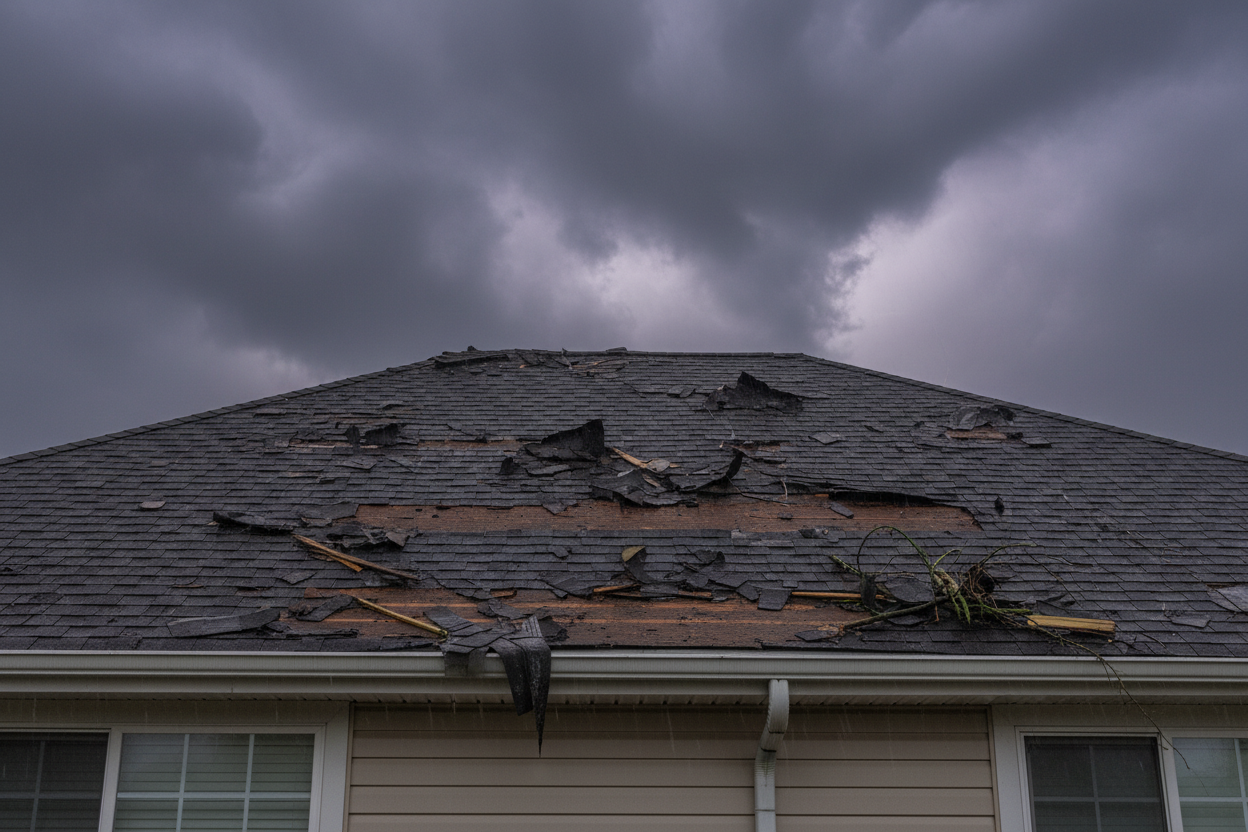
Emergency Roof Repair KZN: Fast Protection for Severe Leaks & Storm Damage
When severe weather hits KwaZulu-Natal, a small roof vulnerability can quickly turn into a structural disaster. Coastal winds, heavy downpours, and severe thunderstorms frequently test the limits of residential and commercial properties. When water penetrates your roof, waiting days for a contractor is not an option—immediate action is required to prevent secondary damage to your ceilings, electrical systems, and foundations.
Common Causes of Sudden Roof Failure in KwaZulu-Natal
Roofing emergencies in KZN generally fall into three high-risk categories:
1. High Winds and Uplift Damage
Strong coastal and inland winds can lift tile edges, tear corrugated sheeting, or strip off ridge capping. Once wind creates an initial gap, driving rain easily penetrates the underlayment and floods ceilings.
2. Flash Flooding and Torrential Water Volume
Heavy KZN storms generate immense water volume in minutes. If valley gutters, box gutters, or downpipes are partially obstructed or undersized, water backs up behind tiles or under sheeting lap joints, pouring directly into wall cavities.
3. Flashings and Penetration Failures
Waterproofing membranes around parapet walls, chimneys, skylights, and solar panel mountings expand and contract under intense sun exposure. During rapid atmospheric temperature changes, compromised flashings crack and tear, leading to catastrophic sudden leaks.
What to Do When a Roof Emergency Strikes
If water breaks through your roof during or immediately after a storm, follow these immediate steps to mitigate damage before professional help arrives:
- Protect Interior Assets: Move furniture, electronics, and valuable equipment away from dripping areas. Place deep containers directly beneath leaks to catch runoff.
- Relieve Water Weight: If water is pooling on top of a plasterboard ceiling and creating a visible bulge, carefully puncture the center of the bulge with a nail or screwdriver to release trapped water into a bucket. This prevents total ceiling collapse.
- Do Not Step onto a Wet Roof: Slippery roof surfaces, weakened timber trusses, and hidden electrical hazards make emergency roof climbing extremely dangerous during a storm. Leave the high-risk work to trained specialists.
The Two-Phase Emergency Repair Process
A proper emergency repair is not just a quick patch—it requires a tactical approach to secure your property immediately while planning permanent structural restoration.
Phase 1: Rapid Mitigation & Water Stopping
The primary goal in an emergency is stopping active water ingress immediately. This includes emergency tarpaulin installation, temporary flashing seals, clearing blocked outlets, and stabilizing loose roofing sheets or displaced tiles.
Phase 2: Permanent Structural Restoration
Once weather conditions normalize, a comprehensive inspection identifies underlying structural issues. This phase involves replacing damaged timber trusses, installing high-performance torch-on waterproofing, replacing worn roof sheeting, and sealing parapet walls to ensure long-term weather resistance.
Trusted Emergency Roof Repairs Across KwaZulu-Natal
At Margate Roofing Waterproofing & Construction, we understand that structural leaks threaten your home, business operations, and peace of mind. Our experienced technicians specialize in rapid diagnostic inspections, temporary water protection, and permanent structural repairs across KwaZulu-Natal.
Whether you are dealing with storm damage, sudden damp penetration, or flashings breakdown, our team delivers fast, reliable, and structural-grade solutions.
Need Urgent Assistance?
Do not let a leaking roof jeopardize your property’s structural integrity. Contact Margate Roofing Waterproofing & Construction today for fast emergency response and long-term roofing protection.